Your Cart is Empty

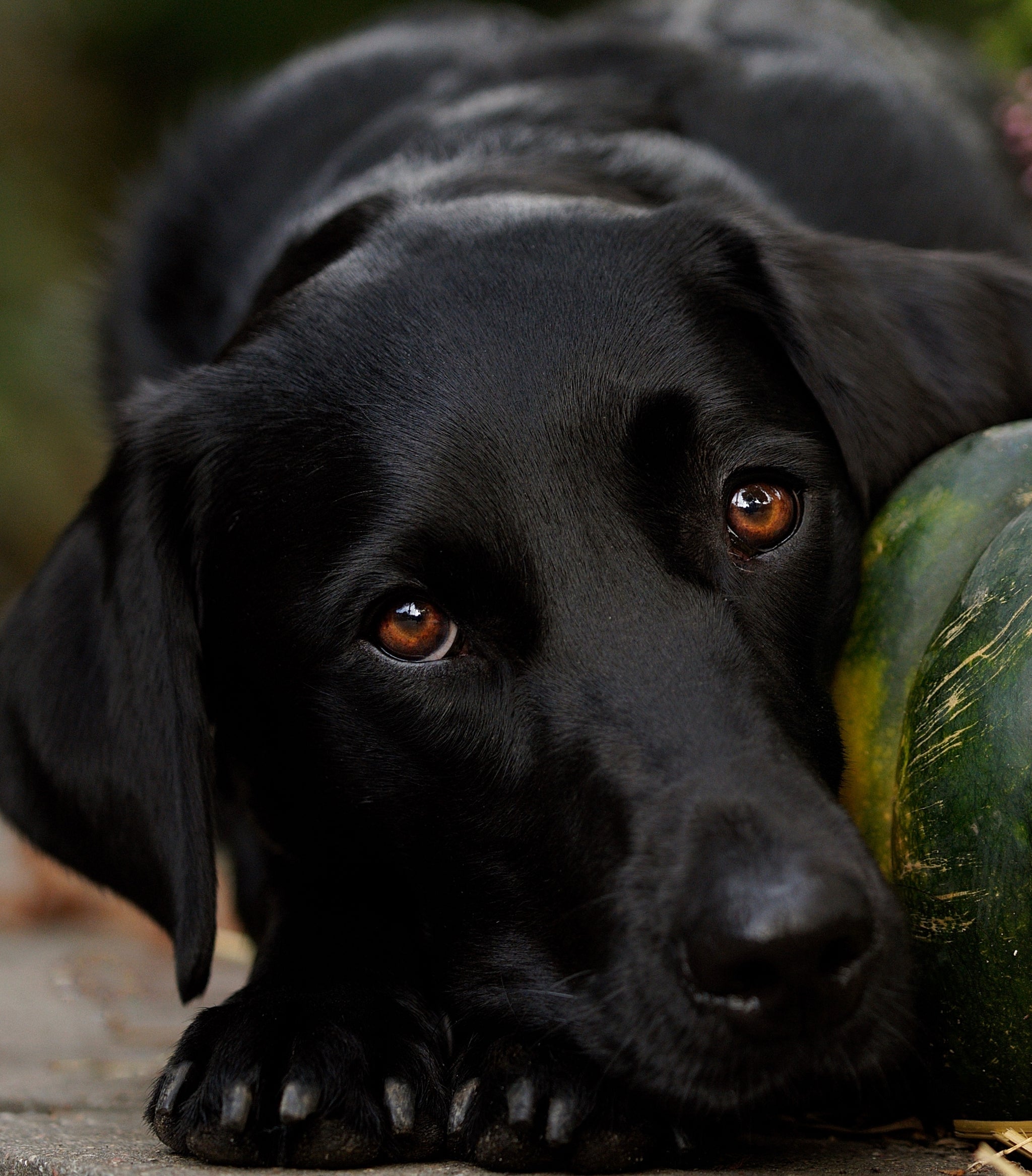
When it comes to our pets, we often wonder if it's safe to share our favorite snacks with them. Bacon, a breakfast staple for many, is one such treat that dog owners frequently question. So, can dogs eat bacon? Let’s dive into this topic and explore everything you need to know about feeding bacon to dogs.
Understanding Canine Nutrition
Before we tackle the question of bacon, it's essential to understand what makes a healthy diet for dogs. Dogs require a balanced diet rich in proteins, fats, carbohydrates, vitamins, and minerals. Common dog food ingredients include meat, grains, vegetables, and fortified nutrients designed to meet these needs.
What is Bacon?
Bacon is a type of salt-cured pork made from various cuts, typically the belly or back. It’s known for its rich flavor, high-fat content, and crispy texture when cooked. Nutritionally, bacon is high in fat and sodium, which are critical considerations when thinking about sharing it with your dog.
Can Dogs Eat Bacon?
The short answer is that while dogs can eat bacon, it’s not recommended as a regular part of their diet. Experts generally advise against it due to several health risks associated with its consumption. Occasional, small amounts might not harm, but it's not without potential consequences.
Health Risks of Feeding Bacon to Dogs
Bacon poses several health risks to dogs, including:
High Fat Content: Bacon is extremely high in fat, which can lead to obesity and pancreatitis in dogs. Pancreatitis is a severe condition where the pancreas becomes inflamed, causing pain and digestive issues.
Sodium Levels: The high salt content in bacon can lead to sodium ion poisoning in dogs. Symptoms include vomiting, diarrhea, lethargy, tremors, and seizures.
Preservatives and Additives: Many bacon products contain preservatives and additives that are not safe for canine consumption and can cause allergic reactions or digestive disturbances.
Potential Benefits of Bacon
On the flip side, bacon does contain protein, which is beneficial for dogs. Additionally, many dogs love the taste of bacon, which can make it useful for training purposes if given in minimal amounts and not regularly.
Symptoms of Bacon-Related Health Issues in Dogs
If a dog consumes bacon, owners should be aware of the following symptoms:
What to Do if Your Dog Eats Bacon
If your dog consumes bacon, take these steps immediately:
Healthy Alternatives to Bacon
Instead of bacon, consider these healthy alternatives for your dog:
Tips for Maintaining a Healthy Diet for Dogs
To keep your dog healthy:
Human Foods Safe for Dogs
Some human foods are safe for dogs when given in moderation, including:
Human Foods to Avoid for Dogs
Certain foods should never be given to dogs, such as:
Common Myths About Dogs and Human Food
There are many myths about what dogs can and can't eat. Let's debunk a few:
Conclusion
In summary, while dogs might enjoy the taste of bacon, it’s not a safe or healthy option for them. The high fat and sodium content, along with preservatives and additives, pose significant health risks. Instead, opt for healthier, dog-friendly alternatives to treat your dog.
FAQs
Can dogs eat bacon every once in a while?
While an occasional small piece of bacon may not cause immediate harm, it’s best to avoid it to prevent potential health issues.
What are some emergency steps if my dog eats a large amount of bacon?
Ensure your dog drinks plenty of water and contact your veterinarian immediately if any symptoms of distress appear.
Are there specific breeds more sensitive to bacon than others?
All dogs can be affected by the high fat and sodium in bacon, but smaller breeds may be more susceptible due to their size.
How can I tell if my dog has bacon poisoning?
Look for symptoms such as vomiting, diarrhea, lethargy, excessive thirst, and tremors. Contact your vet if these symptoms occur.
What are the best commercial treats for dogs?
Look for treats made from natural ingredients without added preservatives or high levels of fat and sodium.