Your Cart is Empty

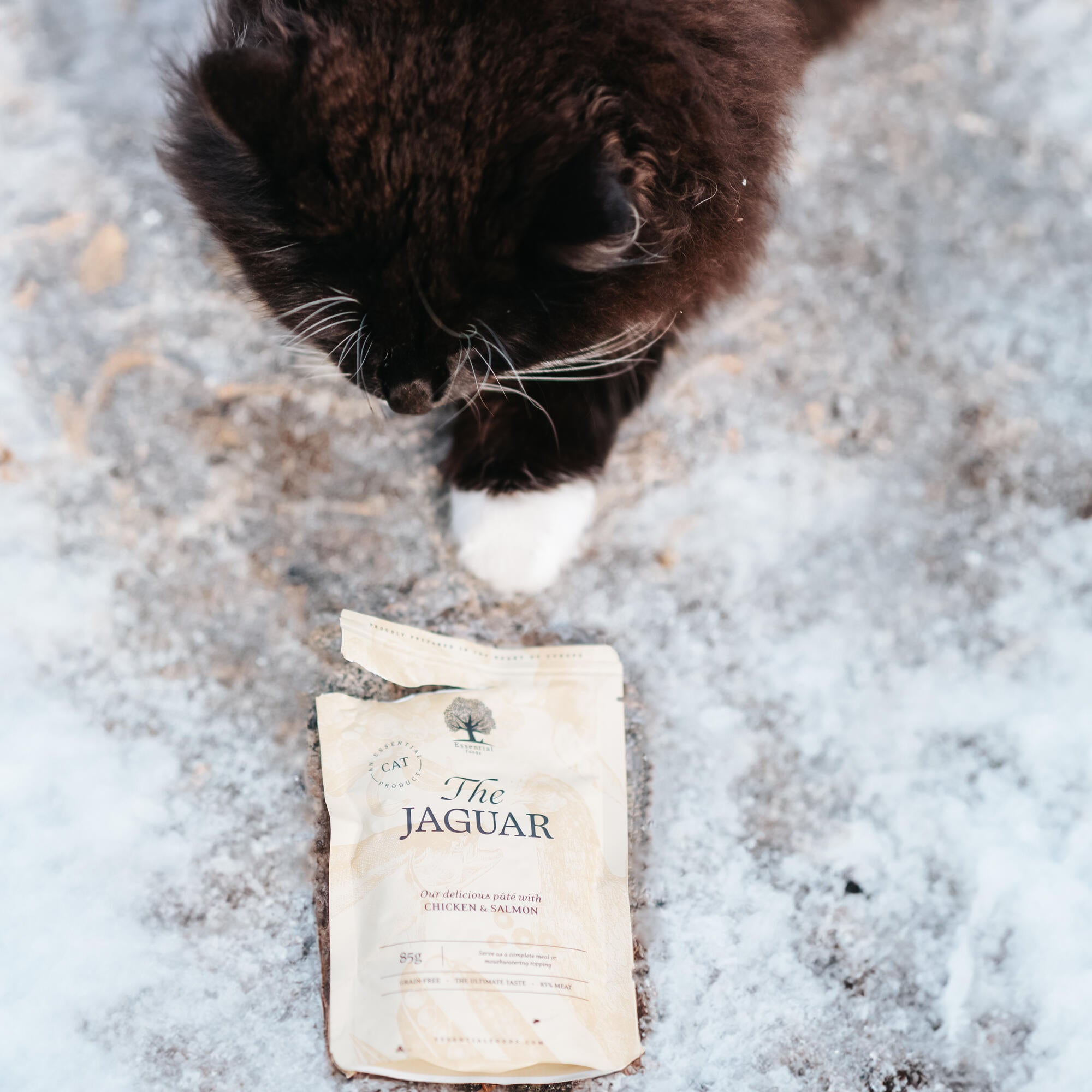
Cats are notorious for their finicky eating habits, and as pet owners, we often wonder if our cats can enjoy some of the human foods we love. Cheese, a delicious and versatile dairy product, is one such food. But, can cats have cheese? Let's explore this question while incorporating key aspects of cat nutrition, including the best cat food options, dry cat food, and considerations specific to cat food in Ireland.
Cats are obligate carnivores, meaning their diet should primarily consist of meat. This dietary requirement is crucial for their health, as they need high levels of protein and certain nutrients that are only found in animal products.
Cheese is primarily made from milk, which contains lactose. Lactose is a sugar that many cats have difficulty digesting due to the lack of the enzyme lactase in their digestive systems.
Most adult cats are lactose intolerant, meaning they cannot properly digest dairy products like cheese. This can lead to gastrointestinal issues such as diarrhea, vomiting, and stomach upset.
Feeding cheese to a lactose-intolerant cat can result in uncomfortable digestive problems. Symptoms may include bloating, gas, and diarrhea.
Cheese is high in fat, which can contribute to obesity and other health issues in cats if consumed in large amounts.
Many cheeses are high in sodium, which is not suitable for cats. Excessive sodium intake can lead to hypertension and other cardiovascular problems.
If your cat shows a keen interest in cheese, a tiny amount occasionally may not cause harm. However, it should not be a regular part of their diet.
Some cheeses, like cheddar and Swiss, have lower lactose levels. These might be slightly better options if you decide to treat your cat, but moderation is still key.
Instead of cheese, consider offering your cat specially formulated cat treats that meet their dietary needs.
These are excellent, safe alternatives that can provide enrichment and enjoyment for your cat without the health risks associated with cheese.
If you're based in Ireland, you have access to many premium cat foodbrands. Look for options that provide high meat content and are specifically formulated for cats' unique nutritional needs.
While the occasional nibble of cheese may not harm your cat, it’s best to stick to food designed specifically for feline health. Essential cat food, with its high-meat content and balanced nutrients, is the best choice. Cats thrive on diets rich in animal proteins, and high-quality cat food ensures they get everything they need. Whether you choose wet or dry cat food, make sure it’s nutritionally complete and palatable, so your cat enjoys every bite.
No, most adult cats are lactose intolerant and may experience digestive issues if they eat cheese.
Monitor your cat for any signs of illness and consult your veterinarian if symptoms persist.
Some human foods, like cooked meat and certain vegetables, can be safe for cats in moderation. Always consult your vet before introducing new foods.
Choose high-quality cat food that is formulated to meet all of your cat's nutritional needs and consult with your veterinarian.
Premium cat food brands are available in pet stores, veterinary clinics, and online retailers throughout Ireland.