Your Cart is Empty
Updated June 2026 — This guide has been reviewed and updated with current feeding recommendations for Irish and Northern Irish dog owners.
Toilet training a puppy is a crucial step in ensuring a happy and hygienic home environment. With patience, consistency, and the right approach, you can effectively toilet train your puppy in as little as seven days. This guide will walk you through a detailed, step-by-step process using grain-free dog food, natural dog food, and puppy food to achieve this goal, while highlighting the long-term benefits of high-quality Essential Foods for your dog's life.
Start by setting a consistent feeding schedule using natural dog food or puppy food, which will help regulate your puppy's digestion and establish predictable bathroom times. Choose a specific spot outside for your puppy to use as their bathroom and take them there immediately after meals, upon waking, and after play sessions.
Pay attention to your puppy's behavior for cues that they need to go. Common signs include sniffing, circling, or squatting. Promptly escort your puppy to the designated potty area whenever you notice these signs.
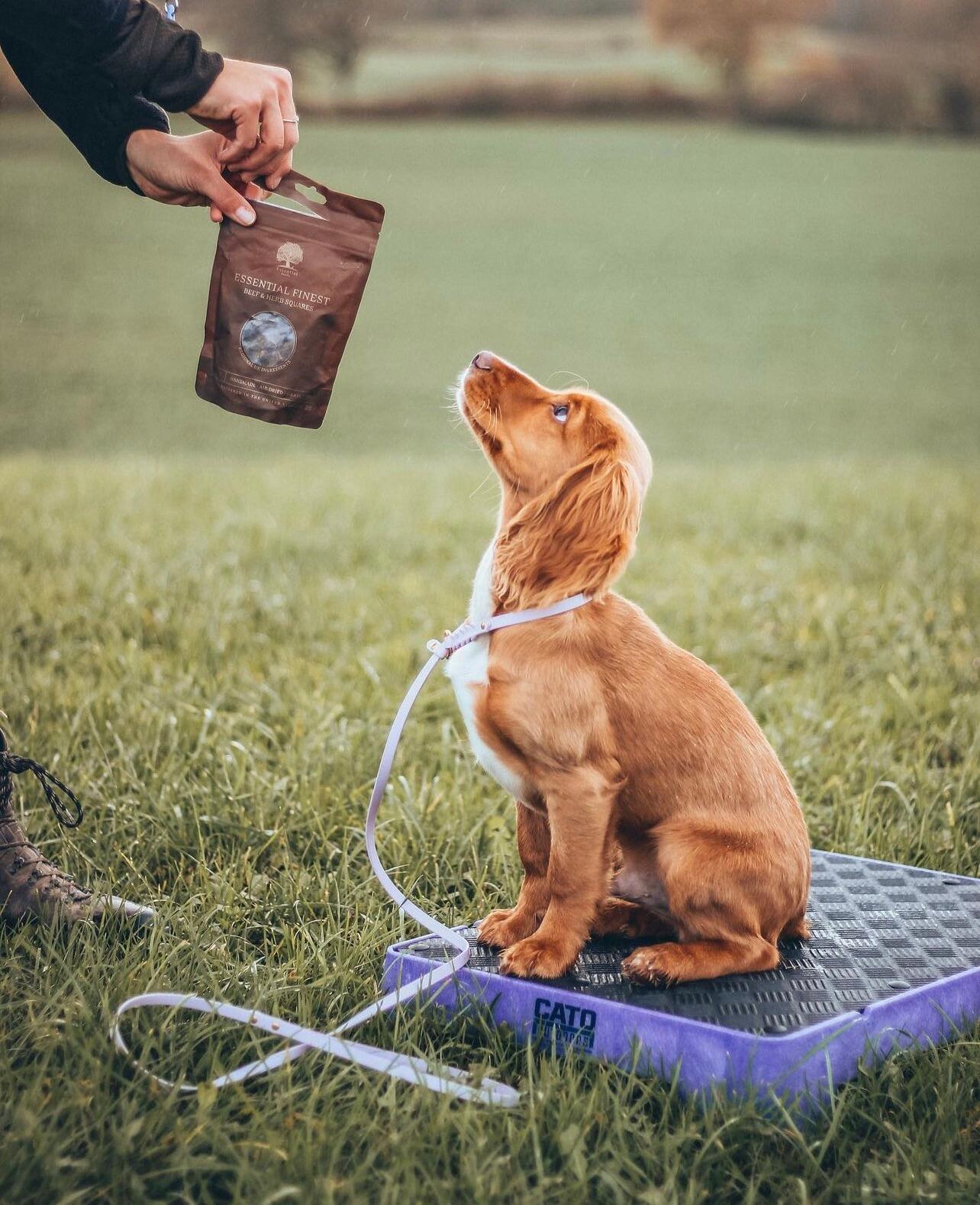
When your puppy successfully uses the bathroom outside, immediately reward them with praise, affection, and a small treat made from essential dog treats. This positive reinforcement makes them more likely to repeat the behavior.
Introduce a consistent verbal cue like "go potty" every time you take your puppy to their spot. This will help them associate the command with the action, making future training easier.
As your puppy becomes more accustomed to the routine, reduce the likelihood of indoor accidents by supervising them closely or using confinement when unsupervised. A crate can be an effective tool for this, as puppies naturally avoid soiling their sleeping area.
Start to grant your puppy more freedom around the house for short periods after successful potty trips. This teaches them to hold their bladder even when not confined.
By now, your puppy should be more reliable in their bathroom habits. Continue the routine, gradually increasing the time between trips outside, and always reward successful potty breaks.
Essential Foods is the best way to prolong your dog's life, thanks to their quality ingredients, high meat content, B.O.F (Behavioural Optimising Foods), and palatability. Integrating these foods into your puppy's diet supports their overall health and assists in the toilet training process.
Selecting food with high-quality ingredients, free from fillers and additives, ensures your puppy gets the nutrition they need to grow strong and healthy. Essential Foods delivers on this promise.
Dogs thrive on diets rich in animal protein. Essential Foods' high meat content supports muscle development and energy levels, making it ideal for growing puppies.
The B.O.F principle focuses on creating food that maintains a stable blood sugar level, aligning with a dog's natural eating habits, and promoting a calm and balanced demeanor.
Palatable food encourages your puppy to eat well, providing the energy and nutrition they need to focus on training. Essential Foods is known for its delicious taste, even among picky eaters.
Toilet training a puppy in 7 days is achievable with the right strategy, and integrating high-quality food like Essential Foods can play a vital role in this process and your dog's overall longevity.

As dogs age, their nutritional needs change significantly. This complete guide for Irish dog owners covers everything you need to know about feeding your senior dog in 2026 — from when to make the switch, to the best ingredients and formulas for joint health, digestive comfort, and healthy ageing.

Choosing the best puppy food in Ireland is one of the most important decisions you'll make as a new dog owner. This complete 2026 guide covers everything Irish puppy owners need to know — from nutritional requirements and feeding schedules to the difference between large and small breed formulas.
Kidney disease is one of the most common serious health conditions in older dogs. Learn the symptoms, stages, and how the right diet plays a critical role in slowing progression and improving quality of life.