Your Cart is Empty
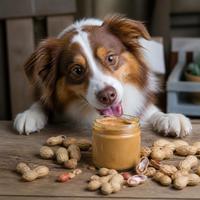
Yes — plain, unsalted peanuts are safe for dogs in small amounts, and most dogs absolutely love peanut butter. Peanuts offer protein, healthy fats, and several vitamins and minerals. However, there are important caveats: salted, seasoned, or flavoured peanuts should be avoided, and certain peanut butters contain a sweetener called xylitol that is highly toxic to dogs.
Read on for everything you need to know about feeding peanuts to your dog safely.
Peanuts (technically legumes, not true nuts) are nutritionally dense:
This is the most important thing to know about peanuts and dogs. Some peanut butter brands contain xylitol — an artificial sweetener that is extremely toxic to dogs, causing a rapid and dangerous drop in blood sugar (hypoglycaemia) and can cause liver failure and death.
Always read the ingredient label of any peanut butter before giving it to your dog. Look for these names in the ingredients list, all of which indicate xylitol:
Safe peanut butter for dogs contains only peanuts (and possibly salt — though low-salt is preferable). Natural, no-added-sugar peanut butters are generally the best choice.
Peanut butter stuffed into a Kong or lick mat is one of the most popular enrichment activities for dogs. It provides mental stimulation, helps anxious dogs settle, and makes for a satisfying reward. If you're using this regularly, opt for the lowest-calorie, lowest-salt xylitol-free peanut butter you can find to keep treat calories manageable.
Yes — peanuts and peanut butter are high in fat. While these are mostly healthy unsaturated fats, overfeeding peanuts can contribute to obesity and may trigger pancreatitis in dogs prone to the condition. Dogs that have had pancreatitis should avoid high-fat foods including peanuts and peanut butter.
Peanut butter treats are wonderful in moderation, but complete daily nutrition comes from your dog's main diet. Explore our grain-free dog food range for premium, natural options. If your dog has digestive sensitivity, our sensitive stomach dog food provides tailored, gentle nutrition.
Small amounts of xylitol-free peanut butter daily (as part of enrichment or training) are generally fine for healthy dogs. For dogs prone to weight gain, pancreatitis, or other conditions, consult your vet about appropriate portions.
Yes, peanut allergies exist in dogs, though they're less common than in humans. Signs include itching, hives, swollen face or paws, gastrointestinal upset, or difficulty breathing. If you notice any of these after feeding peanuts, stop immediately and contact your vet.
Read the ingredients list on the label carefully every time. Look for "xylitol," "birch sugar," "wood sugar," or "E967." If in any doubt, choose a natural peanut butter with only peanuts listed in the ingredients.
Yes — puppies can have small amounts of xylitol-free peanut butter. It's commonly used in puppy training as a high-value reward. Keep quantities very small for puppies under 6 months old.
Almond butter (unsalted, xylitol-free) is generally safe in small amounts. Macadamia nuts and their butter are toxic to dogs. Walnut butter is not recommended. When in doubt, stick with plain peanut butter — it's the most widely tested and vet-endorsed nut product for dogs.
For a complete overview of what your dog can and can't eat safely, visit our Can Dogs Eat guide. You might also find these related guides helpful:
---
Feed your dog with confidence every day. Discover our complete range of premium, natural grain-free dog food at essentialfoods.ie — Ireland's trusted destination for dog nutrition.

As dogs age, their nutritional needs change significantly. This complete guide for Irish dog owners covers everything you need to know about feeding your senior dog in 2026 — from when to make the switch, to the best ingredients and formulas for joint health, digestive comfort, and healthy ageing.

Choosing the best puppy food in Ireland is one of the most important decisions you'll make as a new dog owner. This complete 2026 guide covers everything Irish puppy owners need to know — from nutritional requirements and feeding schedules to the difference between large and small breed formulas.
Kidney disease is one of the most common serious health conditions in older dogs. Learn the symptoms, stages, and how the right diet plays a critical role in slowing progression and improving quality of life.