Your Cart is Empty
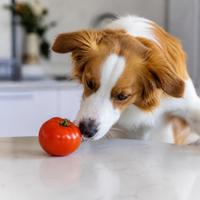
Ripe red tomatoes are generally safe for dogs in small amounts, but green tomatoes and the tomato plant itself contain a toxic compound called solanine and should be avoided. Understanding the difference is key to keeping your dog safe.
Many Irish dog owners wonder whether they can share a bit of tomato from their salad or sandwich. The answer depends on the ripeness of the tomato and which part of the plant it comes from.
Tomatoes belong to the nightshade (Solanaceae) family. They contain tomatine and solanine — alkaloids that are present in high concentrations in the unripe fruit, leaves, stems, and roots. As the tomato ripens and turns red, these compounds break down significantly, making ripe tomatoes much safer.
However, even ripe tomatoes should only be given in small quantities. Large amounts can cause gastrointestinal upset in some dogs.
If your dog eats green tomatoes or parts of the tomato plant, watch for these signs:
If you notice any of these symptoms after your dog has been near a tomato plant or has eaten green tomatoes, contact your vet immediately.
If you'd like to offer your dog a piece of tomato as an occasional treat, follow these guidelines:
Dogs with pre-existing conditions — particularly those with inflammatory conditions or sensitive stomachs — should avoid tomatoes altogether. Always check with your vet first if you're unsure.
Most tomato products are not safe for dogs:
Stick to fresh, ripe tomato only and always in small amounts.
If your dog regularly suffers from digestive issues, tomatoes (even ripe ones) may not be the best choice. Acidic foods can aggravate sensitive stomachs. Instead, focus on a high-quality diet designed for digestive health. Explore our grain-free dog food range for options that are gentle on digestion, and check out our range designed for dogs with sensitive stomach dog food needs.
Yes, ripe cherry tomatoes are safe for dogs in small amounts. Apply the same rules: ripe only, no stems or leaves, no added salt or seasoning.
Plain cooked tomatoes (without added salt, onion, or garlic) are generally safe in small amounts. Cooking doesn't remove the acidity, so limit quantities for dogs with sensitive stomachs.
If the tomato was ripe and your dog only had a small amount, monitor them for any digestive upset. If they ate green tomatoes, parts of the plant, or a large quantity, call your vet.
Tomatoes contain vitamins C and K, potassium, and antioxidants like lycopene. However, dogs get all the nutrition they need from a balanced diet — tomatoes are an occasional treat, not a dietary staple.
It's best to avoid giving tomatoes to puppies. Their digestive systems are more sensitive than adult dogs, and the risks outweigh any potential benefit from a small treat.
For a complete overview of what your dog can and can't eat safely, visit our Can Dogs Eat guide. You might also find these related guides helpful:
---
Feed your dog with confidence. Explore our full range of natural, nutritionally balanced grain-free dog food at essentialfoods.ie — trusted by Irish dog owners.

As dogs age, their nutritional needs change significantly. This complete guide for Irish dog owners covers everything you need to know about feeding your senior dog in 2026 — from when to make the switch, to the best ingredients and formulas for joint health, digestive comfort, and healthy ageing.

Choosing the best puppy food in Ireland is one of the most important decisions you'll make as a new dog owner. This complete 2026 guide covers everything Irish puppy owners need to know — from nutritional requirements and feeding schedules to the difference between large and small breed formulas.
Kidney disease is one of the most common serious health conditions in older dogs. Learn the symptoms, stages, and how the right diet plays a critical role in slowing progression and improving quality of life.