Your Cart is Empty
Dry dog food — kibble — remains the most popular feeding format for Irish dog owners, and for good reason. It's convenient, calorie-dense, long-lasting once opened, and the mechanical action of chewing helps maintain dental health. But not all dry dog food is created equal. The difference between a budget kibble and a premium kibble is not just price — it's the quality of ingredients, the digestibility of the food, and the long-term impact on your dog's health.
At Essential Foods Ireland, our dry dog food range is built on a foundation of high-quality, named animal proteins — fresh salmon, trout, free-range chicken and duck — with no wheat, corn, soy, artificial preservatives or meat derivatives. We think Irish dogs deserve better than grain-padded, derivative-filled kibble, and every bag in our range reflects that commitment.
The simplest way to assess any dry dog food is to read the ingredient list on the back of the bag. A quality kibble should list a named animal protein as the first ingredient — not "cereals", "meat and animal derivatives", or "wheat flour". After that, you should see more named ingredients you recognise: sweet potato, trout meal, salmon oil, peas, chicory extract. The shorter and more recognisable the list, the better.
Red flags to watch for in a cheap dry dog food include:
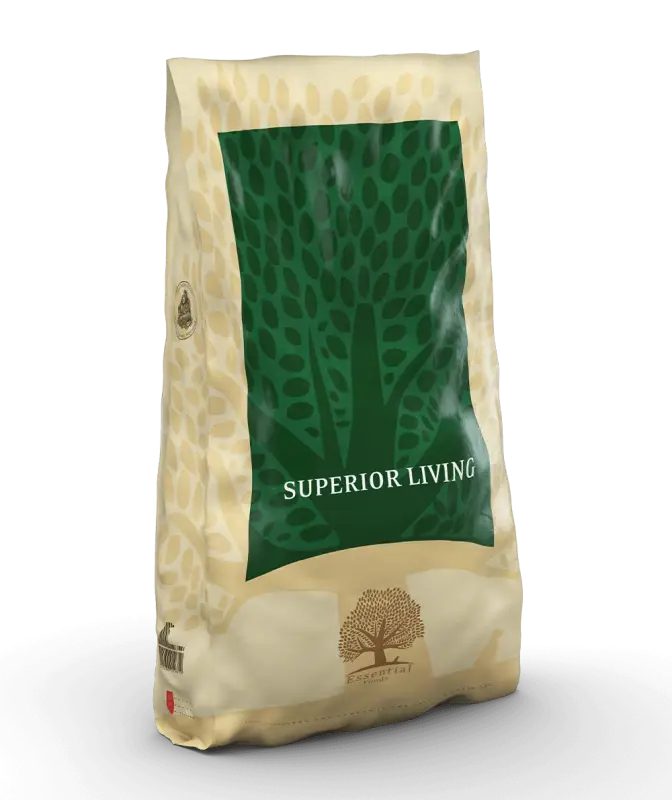
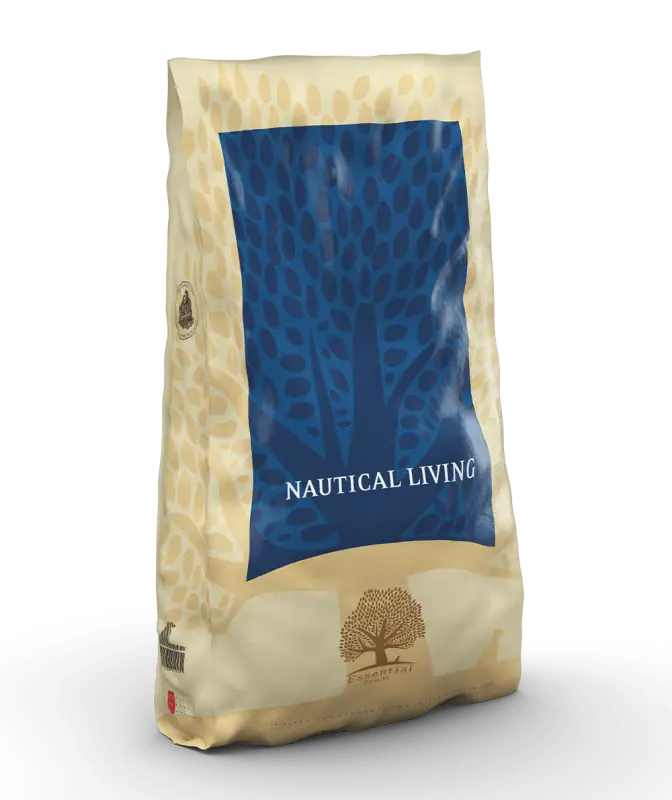
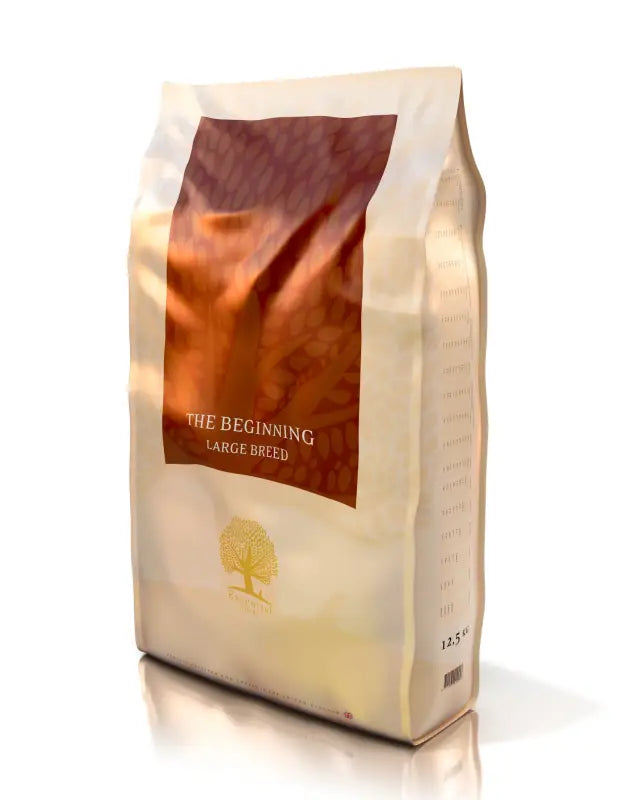
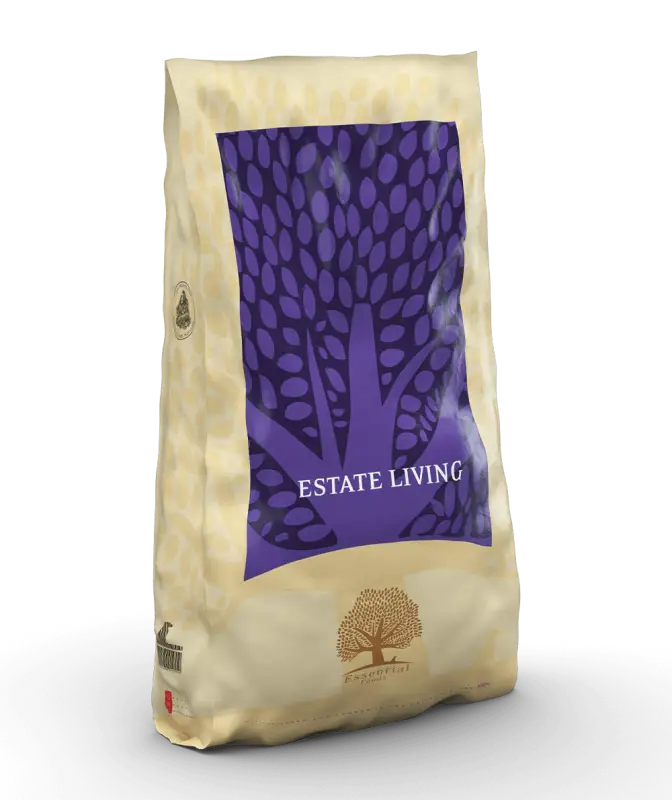
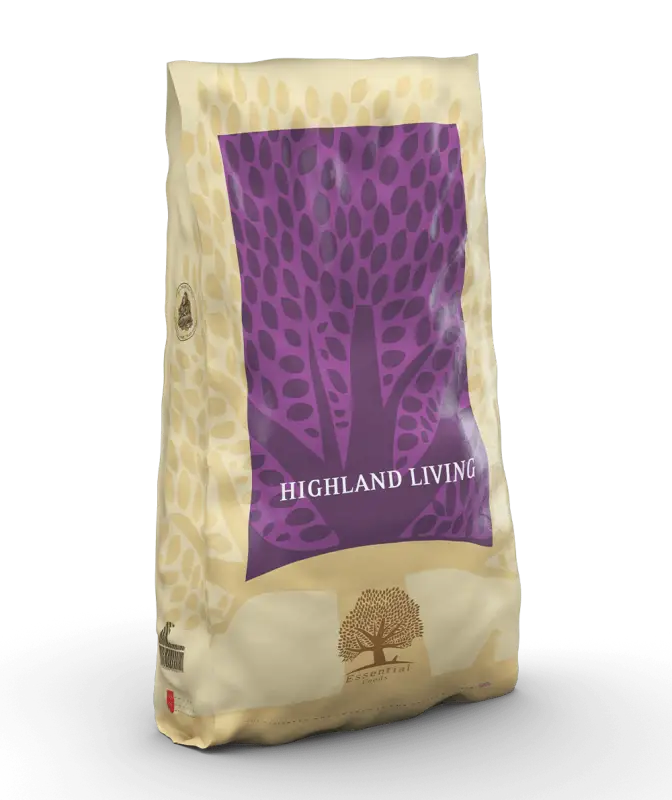
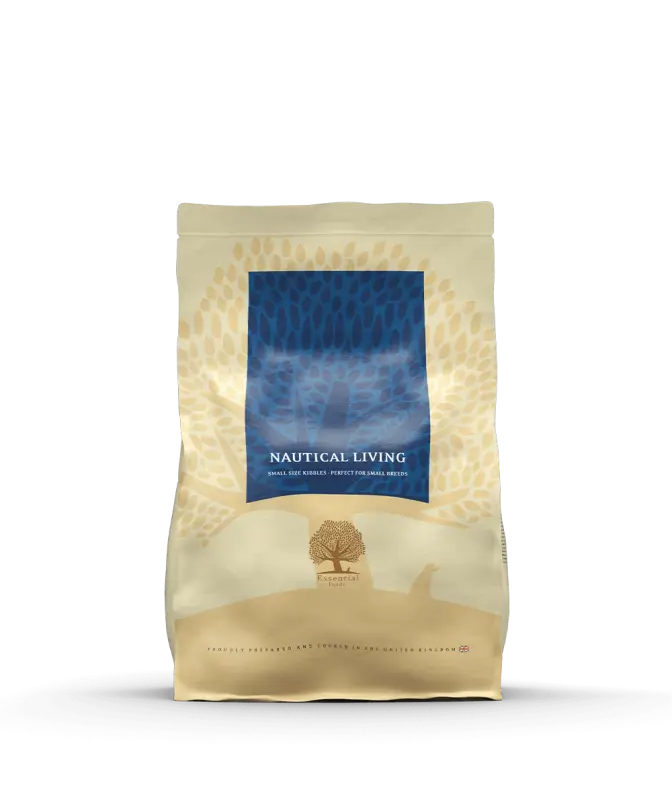
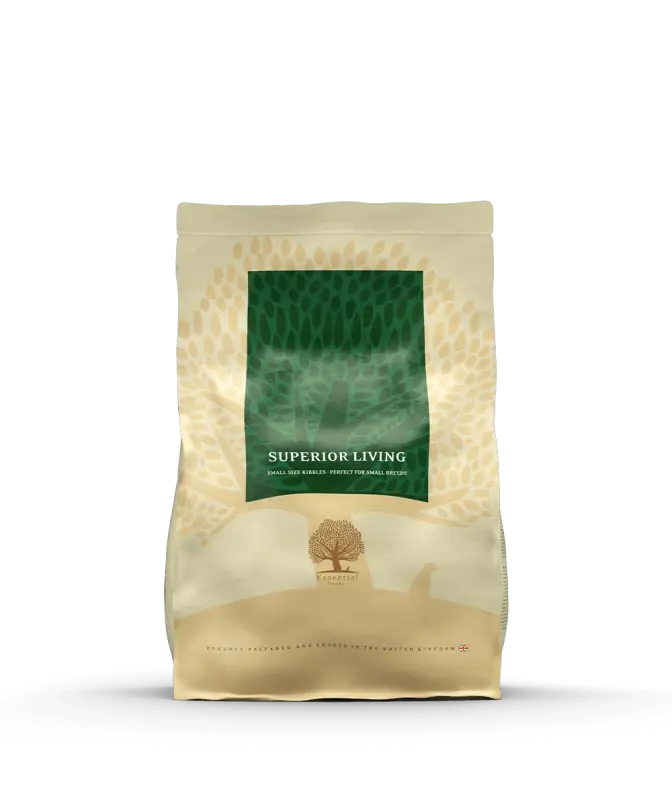
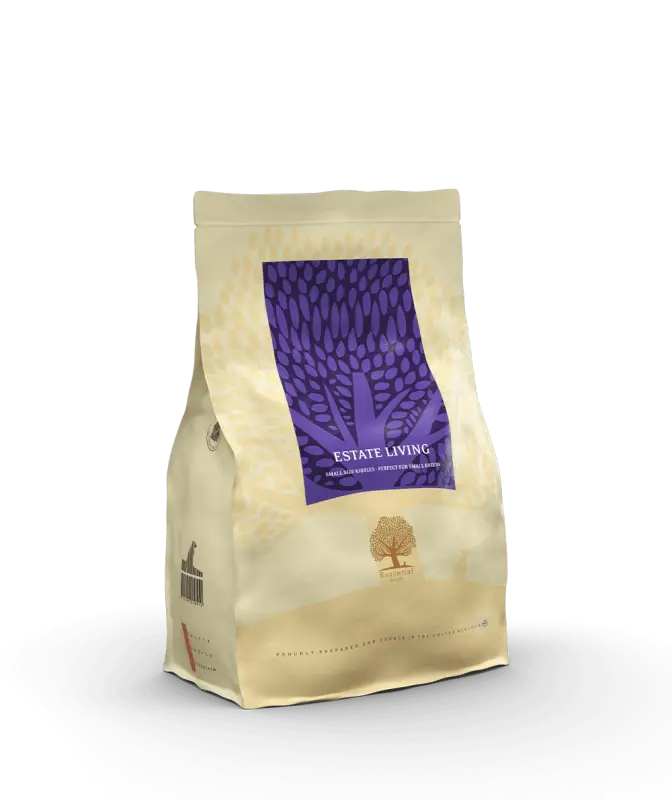
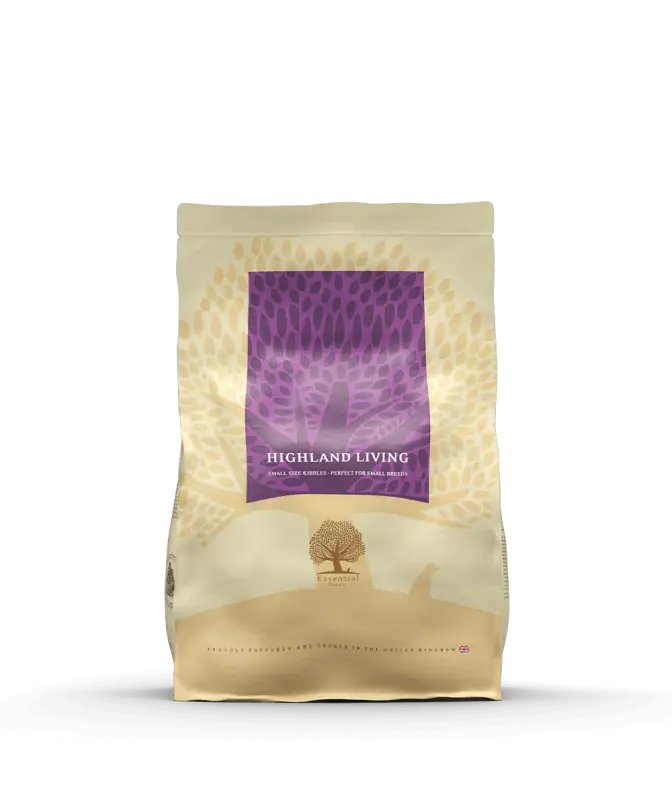
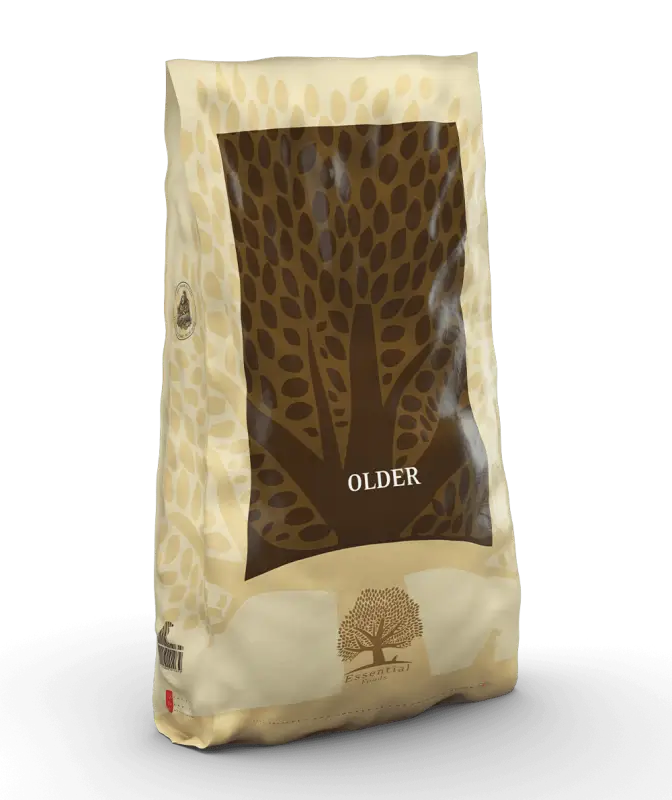
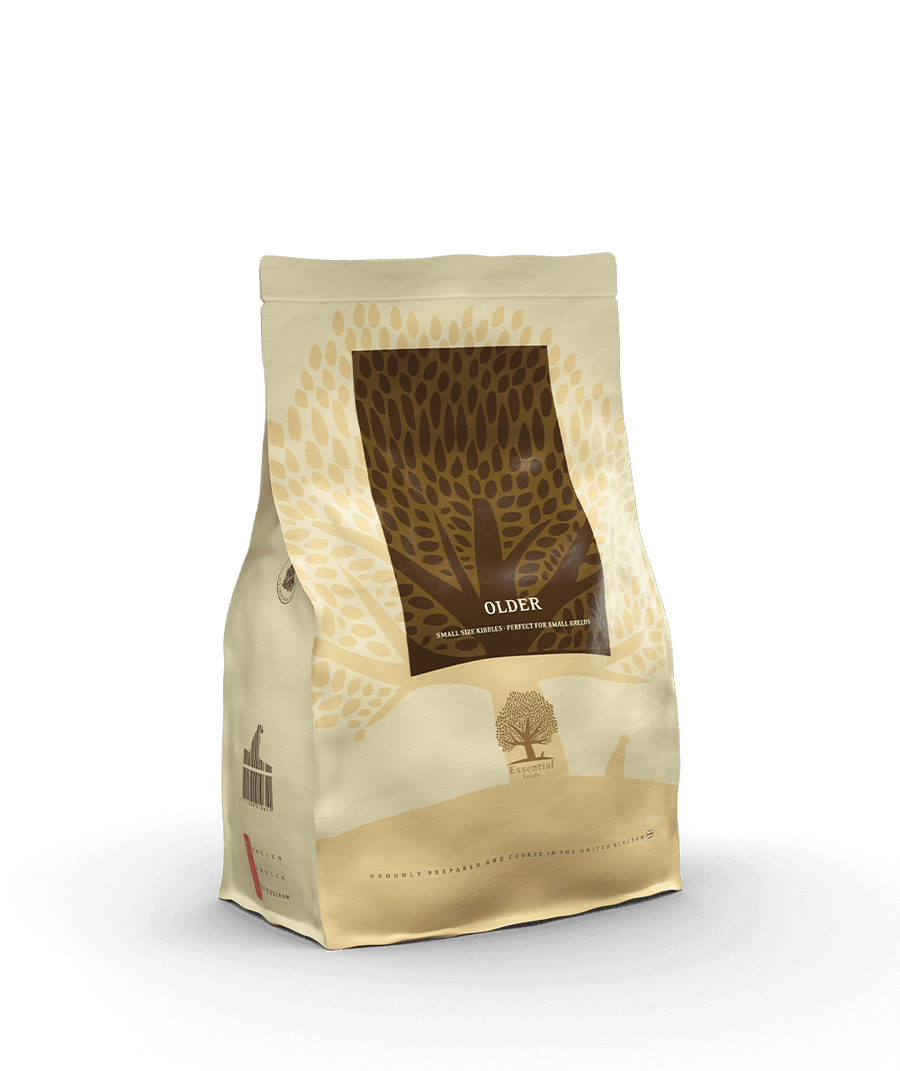
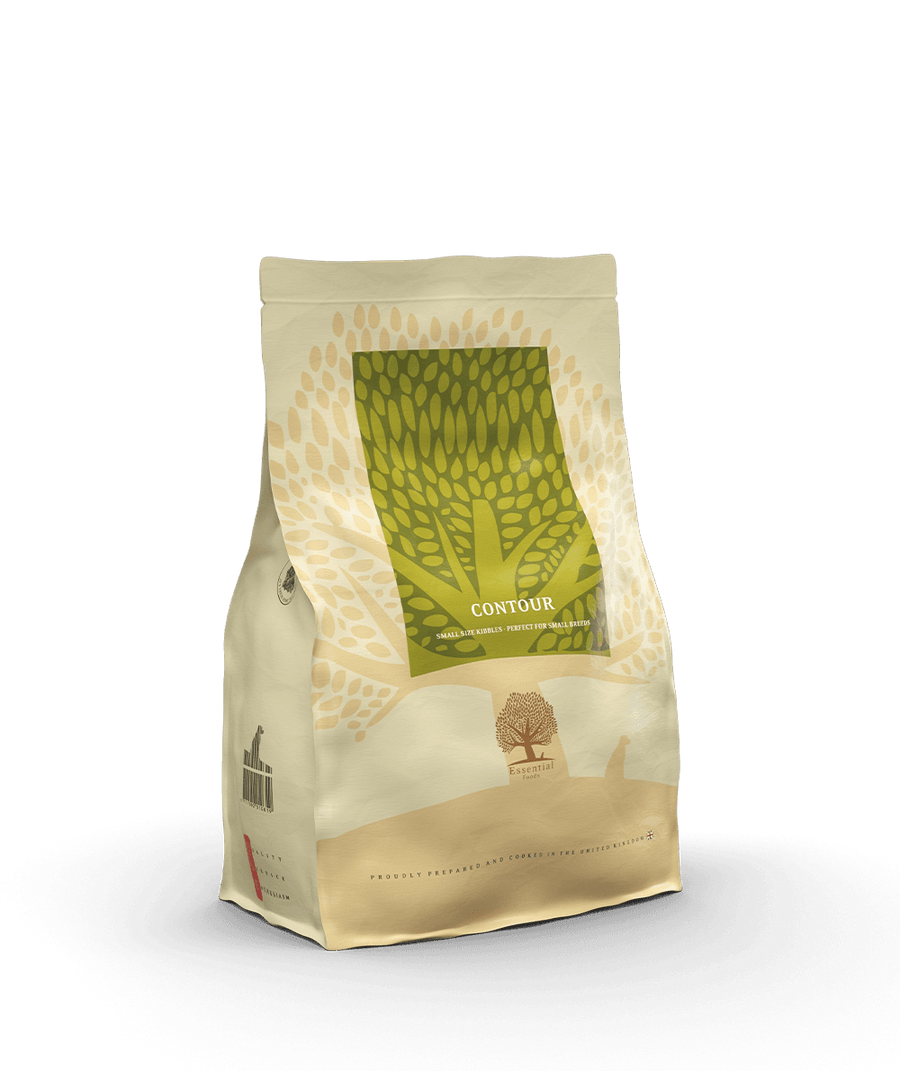
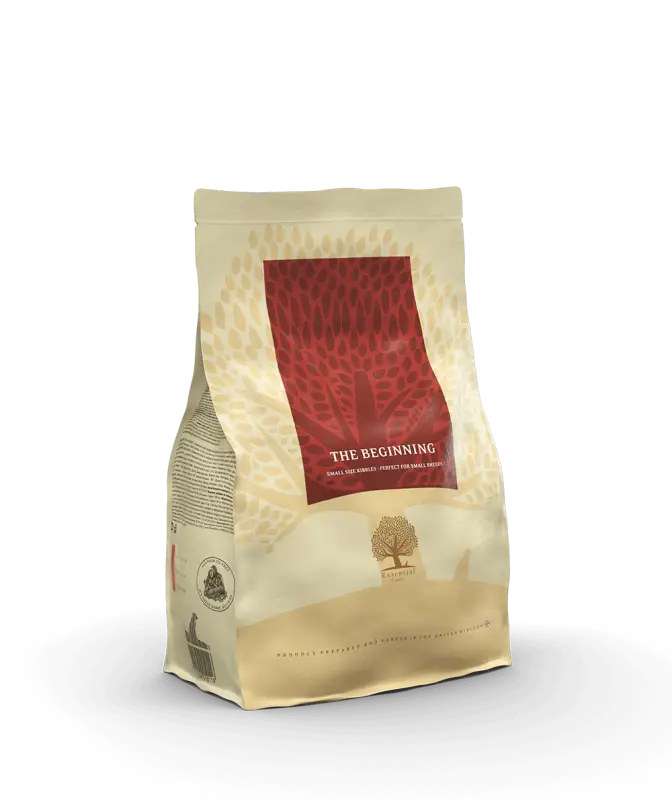
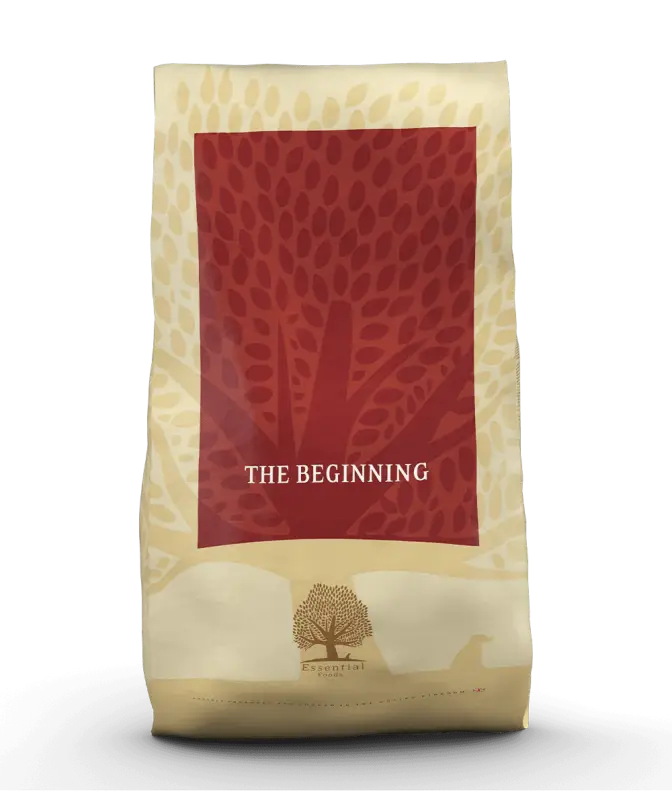
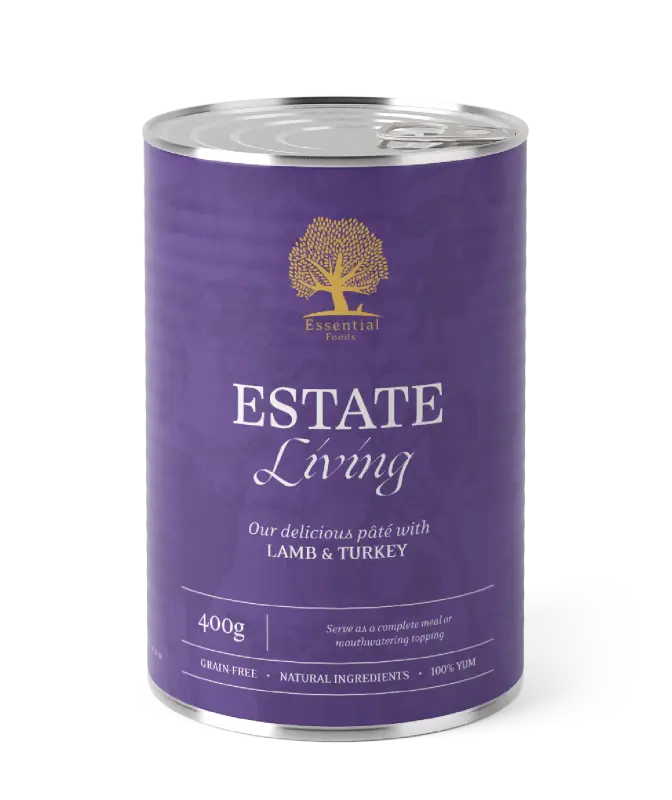
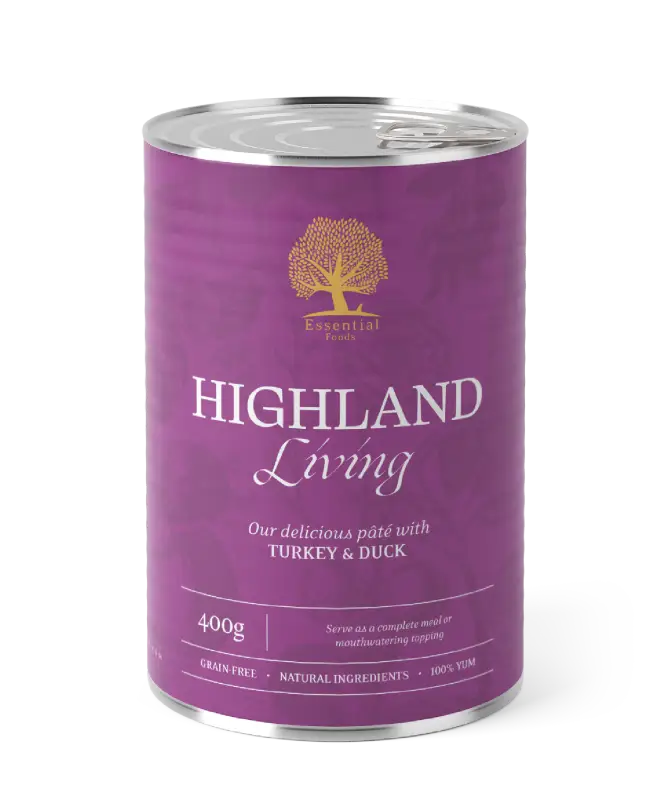
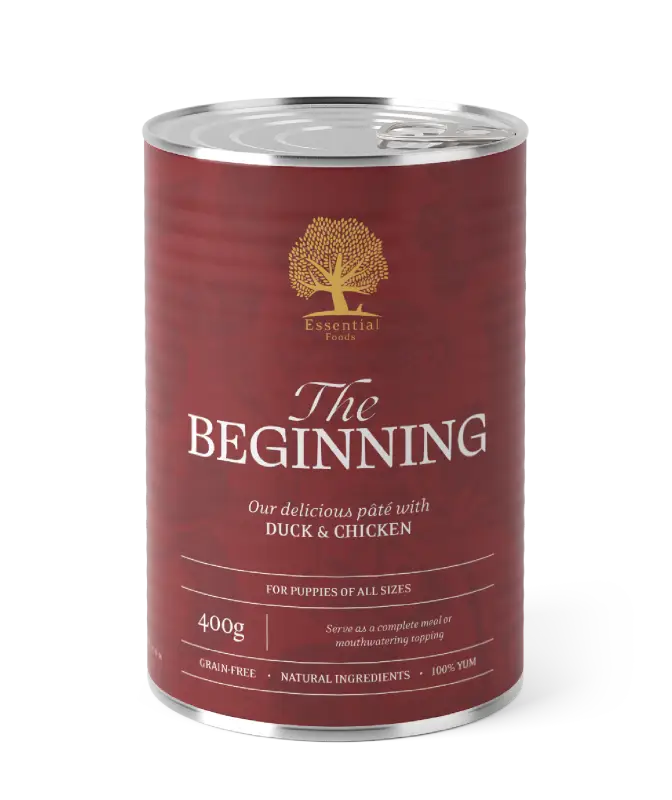
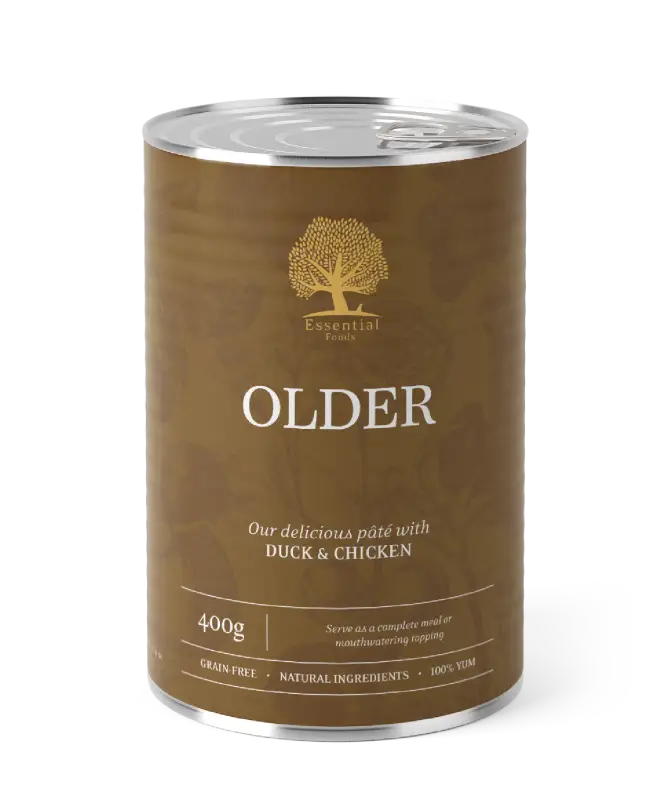
Every dry kibble in our range is grain-free and contains 70–83% named animal protein. Here's what's available:
Portion size for dry kibble is typically measured by your dog's weight and activity level. Because our kibble is calorie-dense and highly digestible, most dogs require less of it than they would of a standard supermarket food — often 20–30% less by volume. This makes the higher upfront cost more economical per day than it first appears. Detailed feeding guides are printed on every bag and available on each product page.
Once opened, keep your kibble in a cool, dry place — ideally in the original bag inside a sealed container. Exposure to heat, light and air accelerates oxidation of the fats in the food, which can reduce palatability and nutritional value over time. A 10kg bag, stored correctly, will stay fresh for 4–6 weeks after opening.
All 10kg dry dog food orders qualify for free delivery across the Republic of Ireland and Northern Ireland. We dispatch orders placed before 2pm the same day, with most deliveries arriving within 1–2 working days.
The best dry dog food in Ireland is one with a named animal protein as the first ingredient, high overall meat content (60%+), no grain fillers (wheat, corn, soy), and no artificial additives. Essential Foods consistently ranks among the top-rated dry dog foods available in Ireland, with up to 83% named animal content and complete grain-free formulations for every life stage.
Yes — grain-free dry dog food is safe for the vast majority of dogs. There was a period of concern around a potential link between grain-free diets and DCM (dilated cardiomyopathy) in dogs, but subsequent research found the link was related to specific recipes that were low in taurine, not grain-free diets in general. High-meat, grain-free foods like Essential Foods — which derive taurine naturally from their meat content — have not been implicated. If you have specific concerns, consult your vet.
For an average-sized adult dog (15–20kg), a 10kg bag typically lasts 4–6 weeks, depending on activity level and the specific recipe's feeding guide. Because Essential Foods is highly nutrient-dense, dogs often eat 20–30% less by volume than with lower-quality kibble, extending the lifespan of each bag.
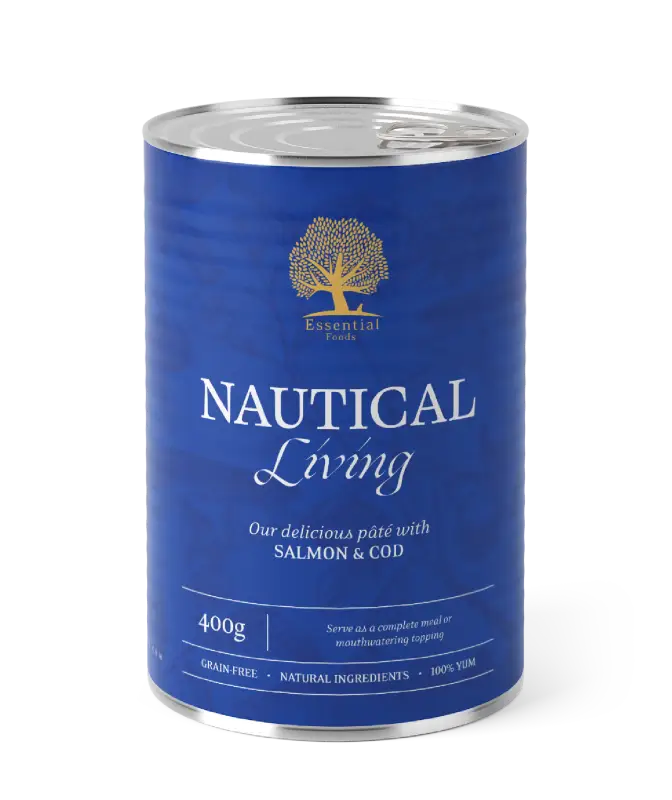
Many owners do this successfully. Adding a spoonful of our pâté to dry kibble increases hydration, improves palatability, and provides variety. If you mix both, stay consistent with the protein source (e.g. Nautical Living dry + Nautical Living pâté) to keep digestion stable. Adjust portions so your dog doesn't overeat — reduce the dry food quantity when adding wet food.
Transition gradually over 7–10 days (10–14 days for sensitive dogs). Begin with 20–25% new food mixed with 75–80% of the existing food, and increase the ratio of new food every 2–3 days. A slow transition prevents digestive upset and allows your dog's gut microbiome to adapt to the new ingredient profile.