Dog Food for Sensitive Stomachs Ireland

Dog Food for Sensitive Stomachs Ireland

If your dog suffers from loose stools, recurring vomiting, excessive wind, or grass-eating, there's a good chance their current food isn't agreeing with them. Sensitive stomachs are one of the most common issues Irish dog owners bring to their vet — and in the vast majority of cases, the root cause is the food itself. The solution isn't medication. It's better nutrition.

At Essential Foods Ireland, our hypoallergenic, grain-free recipes are specifically formulated for dogs with digestive sensitivities. Every recipe is free from wheat, corn, soy and artificial additives — the most common dietary triggers for sensitive dogs. Instead, you get high-quality, named animal proteins and natural ingredients that are gentle on the gut and easy to absorb.

Why Do Dogs Get Sensitive Stomachs?

The two most frequent culprits behind a sensitive stomach in dogs are grain fillers and low-quality protein sources. Mass-market dog foods often use wheat and corn as cheap calorie fillers — ingredients dogs haven't evolved to digest efficiently. They also commonly use "meat derivatives" or "animal by-products", vague terms that can include beaks, feathers, and other low-quality offcuts that are poorly digested.

Dogs with sensitive digestion typically show improvement within two to three weeks of switching to a high-quality, grain-free food. The change can be dramatic: firmer stools, reduced flatulence, better appetite, and a calmer gut.

What Makes Essential Foods Ideal for Sensitive Stomachs?

Our recipes are built on the principle that simpler is better. A short, transparent ingredient list — with named animal protein first — means nothing is hidden and nothing unnecessary gets into your dog's bowl.

Key features that make our food gentle on sensitive stomachs:

  • Grain-free formulas — no wheat, corn or soy, the three grains most likely to cause digestive upset in dogs
  • Named protein sources — fresh Scottish salmon, trout, free-range chicken and duck, all named and traceable
  • High meat content (70%+) — more protein, less filler, better digestibility
  • No artificial preservatives, colours or flavourings — common triggers for gut irritation
  • Natural prebiotics and fibres — to support a healthy gut microbiome
  • Cold-pressed nutrients — retained through gentle processing rather than high-heat extrusion

Our Best Recipes for Sensitive Stomachs

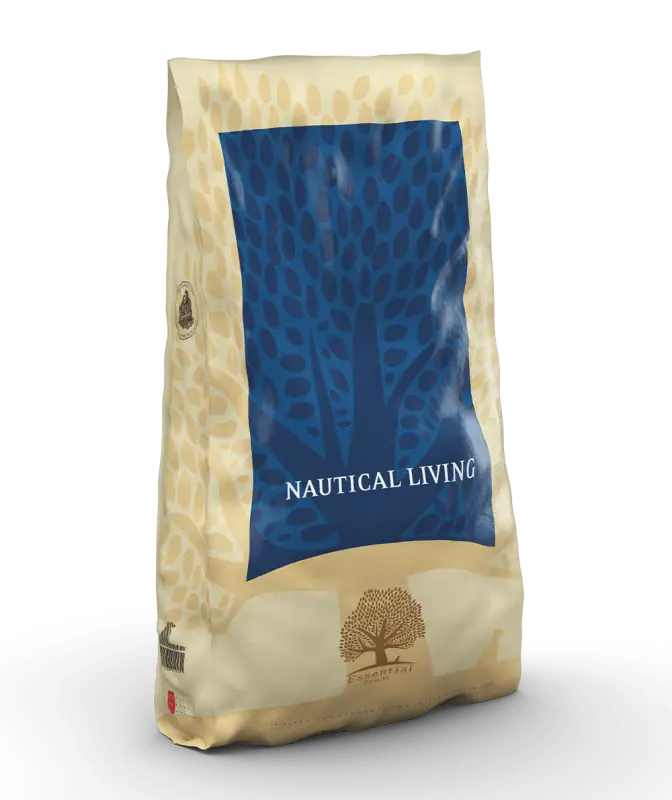
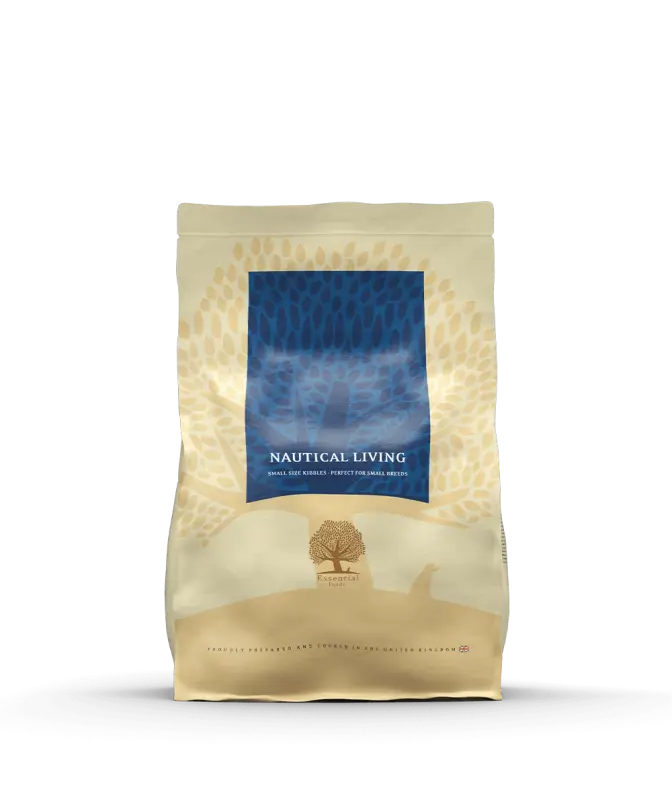
Nautical Living is our most popular choice for sensitive dogs. Made with fresh Scottish salmon, trout and seasonal fish — a novel protein source for most Irish dogs — it's an excellent option for dogs with suspected chicken or red meat sensitivities. The omega-3 fatty acids in the fish also help calm gut inflammation and support a healthy skin barrier. Available in both dry and pâté formats.

For dogs who tolerate poultry well but need a single, clean protein source, Estate Living offers free-range poultry in a simple recipe with no grain fillers. Many sensitive-stomach dogs do well on limited-ingredient formulas, and Estate Living ticks every box.

If you're also managing your dog's weight alongside their sensitive stomach, Contour is worth considering — a controlled-calorie recipe that retains the same high-quality grain-free formulation, so you don't have to choose between digestive health and weight management.

How to Transition a Sensitive Dog to a New Food

Dogs with sensitive stomachs need a particularly slow transition to a new food. We recommend 10–14 days rather than the standard 7–10. Start with just 20% new food mixed with 80% of the old food, and increase the ratio gradually every 3 days. Rushing the transition is the single most common reason for upset stomachs during a food change — even when the new food is better suited to the dog.

Some dogs, especially those who've been on a poor diet for a long time, may experience a brief detox period in the first few days of switching. This is normal and usually resolves quickly.

Delivered Across All of Ireland

We deliver to every county in the Republic of Ireland — Dublin, Cork, Galway, Limerick, Waterford, Kilkenny, Wicklow and beyond — as well as Northern Ireland. Orders placed before 2pm are dispatched same day. Most deliveries arrive within 1–2 working days. Large bags qualify for free delivery.

Frequently Asked Questions — Sensitive Stomach Dog Food Ireland

What is the best dog food for a sensitive stomach in Ireland?

Grain-free, high-meat formulas are consistently recommended for dogs with sensitive stomachs. Essential Foods' Nautical Living (fish-based) and Estate Living (poultry-based) are particularly well-suited, as they use novel or single protein sources and contain no grain fillers, artificial additives or meat derivatives. Both are available with fast delivery across Ireland.

How do I know if my dog has a food sensitivity?

Common signs include loose or inconsistent stools, vomiting after meals, excessive flatulence, grass-eating, gurgling stomach sounds, and reduced appetite. Skin issues like itching, redness or recurring ear infections can also indicate a food intolerance. If these symptoms appear regularly, a dietary change is usually the first step before pursuing further veterinary investigation.

Is grain-free food better for dogs with sensitive stomachs?

For many dogs, yes. Wheat, corn and soy are the most common dietary triggers for digestive upset in dogs. Removing them from the diet often resolves symptoms within 2–4 weeks. However, grain-free food alone isn't enough — the protein source and overall ingredient quality matter equally. A grain-free food with low-quality meat derivatives may still cause issues.

Should I feed wet or dry food to a dog with a sensitive stomach?

Both can work well provided the ingredients are high quality. Some dogs with sensitive stomachs do better on wet food initially, as higher moisture content is easier on the gut. Our pâté range — made with the same high-meat, grain-free formulation as our dry food — works well as a transition food or as a regular meal. Many owners mix dry and wet food for variety and digestive ease.

How long does it take for a sensitive stomach to improve on new food?

Most dogs show noticeable improvement within 2–3 weeks of switching to a higher-quality, grain-free food. Firmer stools are usually the first sign of improvement. Full digestive stabilisation can take 4–8 weeks, particularly in dogs with chronic issues. A slow transition (10–14 days) is important to avoid triggering an upset during the changeover.


Dog Food